

In the context of a labor market that increasingly requires a skilled workforce, vocational education plays a vital role in supplying human resources for society. Enterprises having the demand to provide elementary-level training must carry out procedures to obtain a Certificate of Registration of Vocational Education Activities in order to ensure compliance with the law.
This article summarizes the conditions, required dossier components, licensing authority, and implementation procedures as prescribed by law, helping enterprises clearly understand the necessary requirements to ensure an effective licensing process.
1. Requirements for applying for the License:
Pursuant to Article 61.1, Appendix I of Decree No. 142/2025/ND-CP, in order to be granted a Certificate of Registration of Vocational Education Activities, an enterprise must fully meet the following requirements:
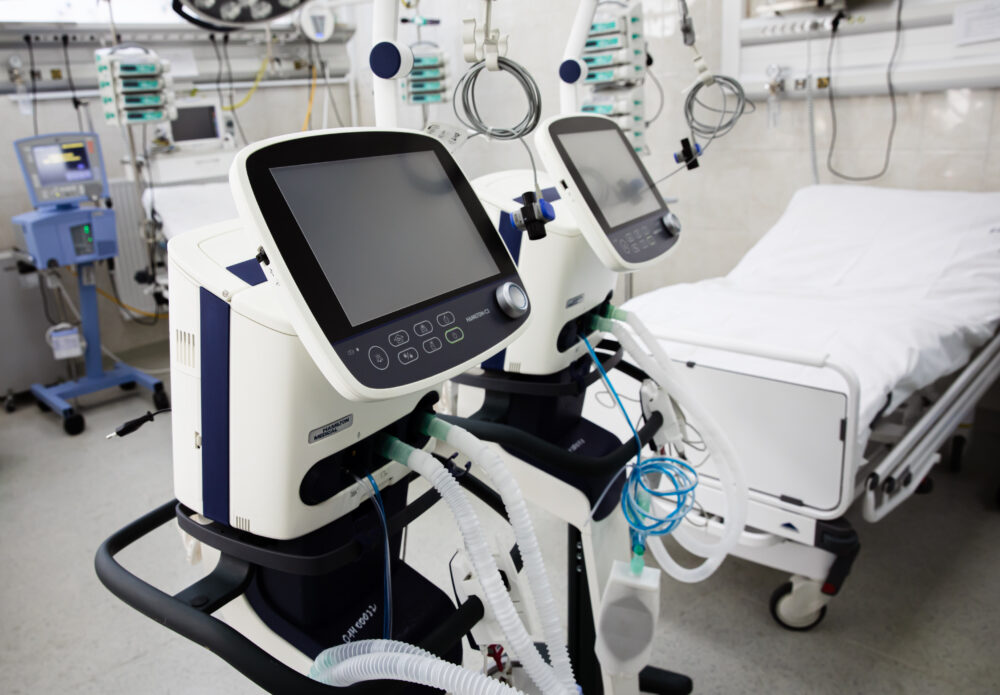
- Having training facilities and equipment appropriate to the occupation, training scale, and elementary level; the area of classrooms, workshops, and practice facilities used for teaching and learning must ensure an average of at least 4 m² per training place;
- Having sufficient training programs and curricula for each registered occupation, which must be developed, appraised, and promulgated in accordance with the regulations of the Minister of Education and Training;
- Having teaching staffs that meet the standards on qualifications, vocational skills, and pedagogical competence as prescribed by law; ensuring that the ratio of converted learners to converted teachers does not exceed 25 learners per teacher; and having permanent (full-time) teachers for each occupation to be provided training.
2. Application dossier components:
Article 61.2, Appendix I Decree No. 142/2025/ND-CP
- Written application for registration of vocational education activities;
- Report on registration of vocational education activities.
- Enterprise Registration Certificate and company charter;
- Documents evidencing training facilities: Certificate of land use rights, fire prevention and fighting inspection records, lease agreement of facilities, documents evidencing the legal status of the lessor, etc.;
- Documents evidencing training equipment: equipment purchase contracts, value-added tax invoices, equipment lease contracts, etc.;
- Training curricula developed by the enterprise itself or adopted from other institutions;
- Documents evidencing the teaching staff: recruitment decisions, labor contracts, certificates of pedagogical training, certificates evidencing vocational skills, language certificates, IT certificates, etc.
3. Licensing authority:
Pursuant to Article 25.1 of Decree No. 142/2025/ND-CP, the authority to issue the Certificate of Registration of Vocational Education Activities for enterprises is vested in the Director of the Department of Education and Training.
4. Implementation Process:
Article 61.3 Appendix I of Decree No. 142/2025/ND-CP
- Step 1: The enterprise shall submit the application dossier to the Department of Education and Training where the vocational education activities are to be conducted;
- Step 2: The Department of Education and Training shall examine the application dossier (and may conduct on-site inspection) and consider the issuance of the Certificate of Registration of Vocational Education Activities within 10 working days from the date of receipt of the dossier;
- Step 3: The Department of Education and Training shall publish the issued certificate on its official website, update the database on registration of vocational education activities, and send the certificate to the Ministry of Education and Training for monitoring and management within 02 working days from the date of issuance of the Certificate of Registration of Vocational Education Activities
Applying for a Certificate of Registration for Vocational Education Activities is not merely a legal requirement under current regulations, but also an important step that demonstrates a company’s commitment to training quality and sustainable development in the field of vocational education. When engaging in vocational training activities, businesses must clearly understand their roles and responsibilities in ensuring a standardized training environment, a qualified teaching staff, and adequate facilities and equipment that meet the requirements of the training programs.
To obtain the license, businesses are required to prepare a complete set of documents in accordance with legal provisions, including materials related to legal status, training organization plans, infrastructure, teaching equipment, and a qualified teaching team. Any shortcomings or failure to meet these conditions may result in the application being rejected or delays in the review process, which could negatively impact the company’s training plans. Therefore, understanding and thoroughly preparing all necessary requirements is a key factor in ensuring that the certification process proceeds smoothly and efficiently.
Date written: 20/08/2025
Disclaimers:
This article is for general information purposes only and is not intended to provide any legal advice for any particular case. The legal provisions referenced in the content are in effect at the time of publication but may have expired at the time you read the content. We therefore advise that you always consult a professional consultant before applying any content.
For issues related to the content or intellectual property rights of the article, please email cs@apolatlegal.vn.
Apolat Legal is a law firm in Vietnam with experience and capacity to provide consulting services related to Business and Investment and contact our team of lawyers in Vietnam via email info@apolatlegal.com.