

Currently, the production, trading and distribution of cosmetic products as contraband, counterfeit, counterfeit, and low-quality goods is a prominent problem that raises the waves of the whole society. Competent state agencies have discovered a large volume of cosmetic products in many provinces and cities over the country. This problem has caused confusion and frustration among consumers.
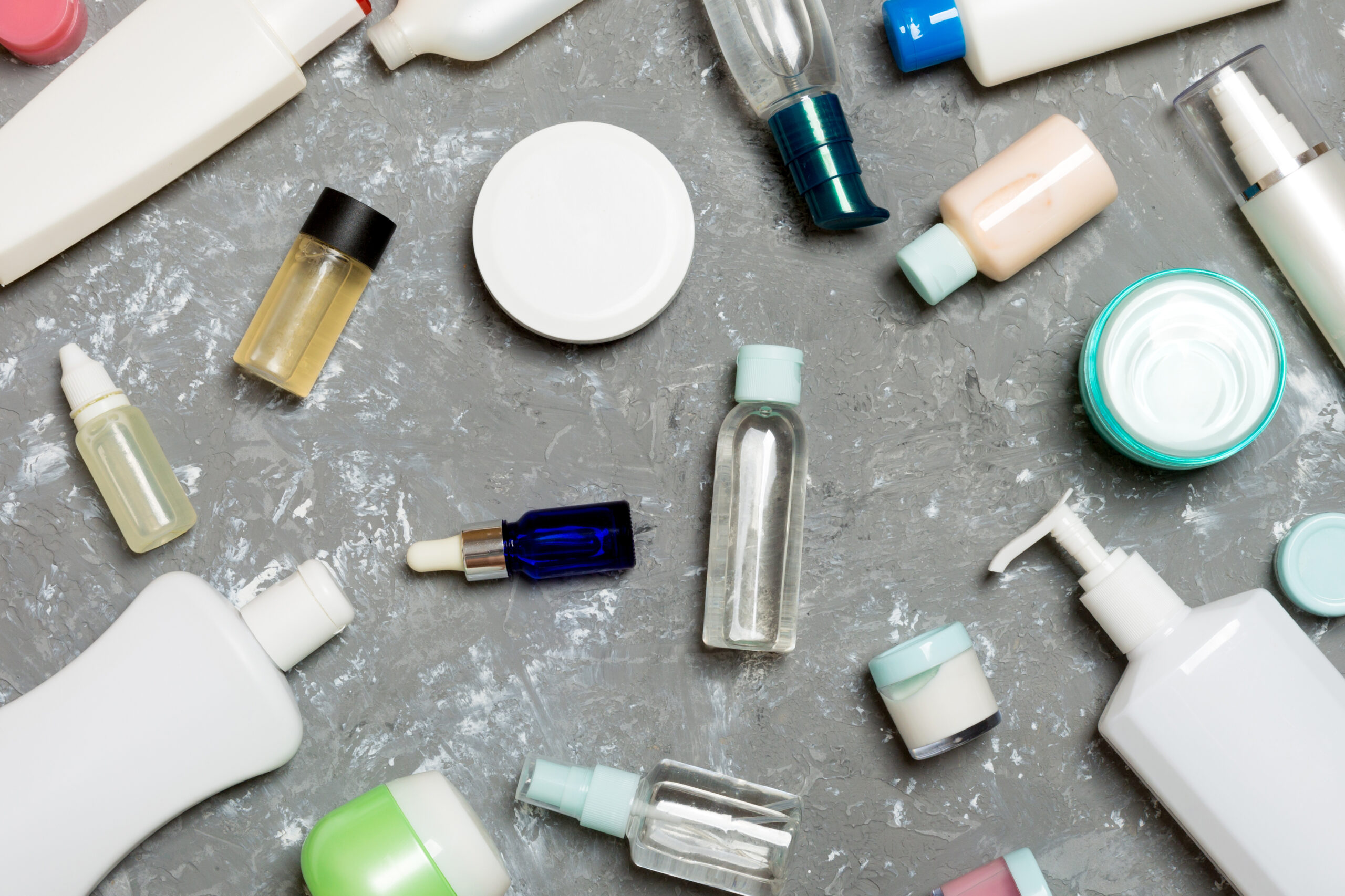
From the above situation, the authorities have strengthened management activities and carried out large-scale inspection of goods quality in order to detect and thoroughly handle this problem. Particular attention is paid to handling low-quality cosmetics to limit the impact on consumer’s health.
In the above context, the companies are trading genuine cosmetic products they are quite interested in which cosmetic product lines will be prioritized for inspection. At the same time, any inspection contents related to product quality should be paid more attention. Accordingly, the Companies will be prepared so that when the competent state agency inspects the quality of cosmetic products, the Company can coordinate to solve it quickly and conveniently.
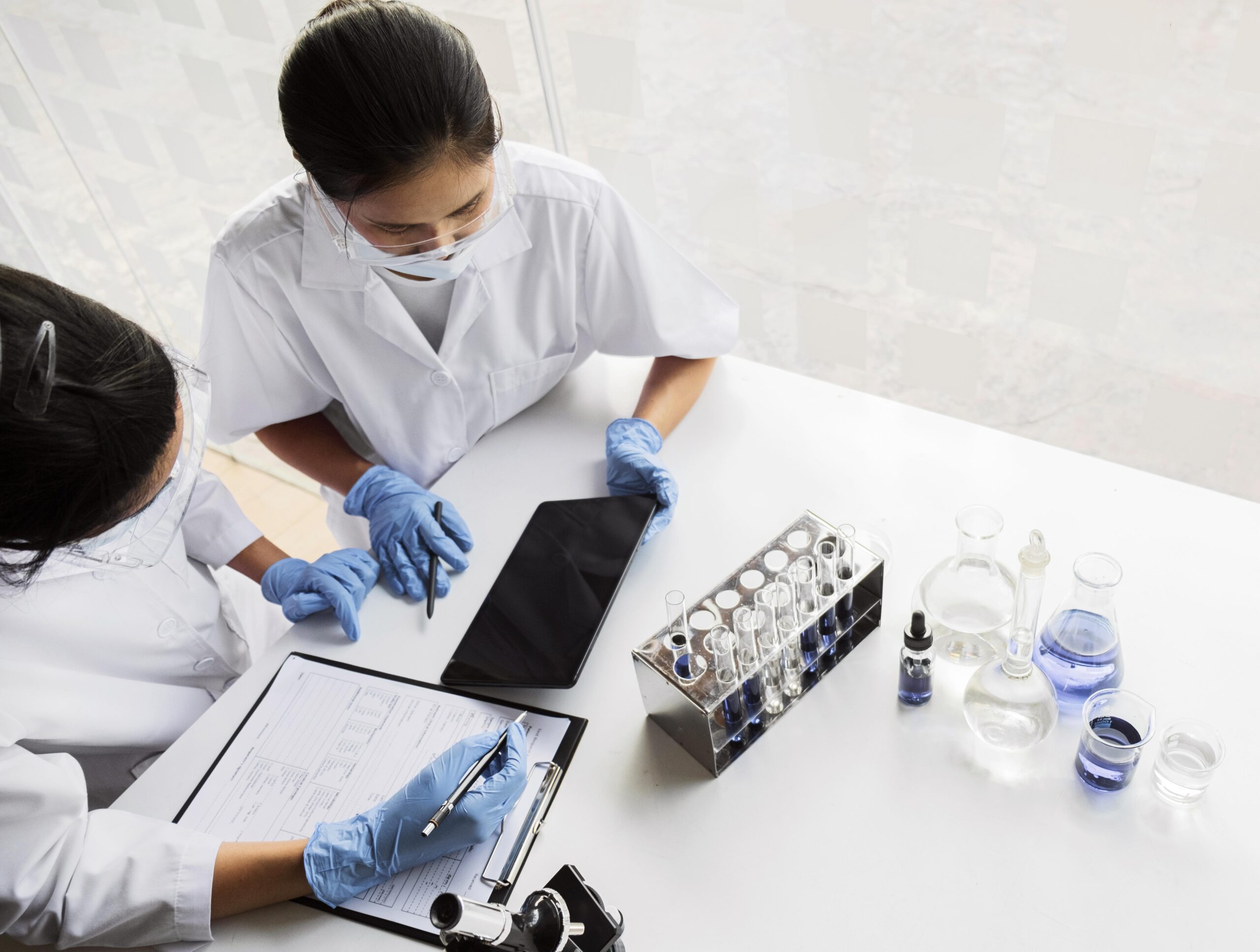
According to Item No. 1, 2 Annex 8 Circular No. 06/2011/TT-BYT on cosmetic management and its amendments legal documents show that, the sampling of cosmetic products for inspection will focus more on the following products and companies:
(i) With the current regulations, it is required to focus on inspection from major companies importing, distributing and producing cosmetic products. Therefore, companies in this category need to be psychologically prepared for the possibility of being tested quite high than the others.
(ii) Focusing on inspecting product groups such as: Skin whitening products; Baby powder (Talc powder) or products containing minerals; Products for eyes, lips; Hair tints, especially products from countries where several substances are on the List of substances which must not form part of the composition of cosmetic products (Annex II); Products are intended for use by children or pregnant women; Or
(iii) The companies that import and trade cosmetic products which have been manufactured and imported from the countries whose law provisions are different from those of ASEAN countries. Or the countries that used to produce or trade unconformable products. In this case, companies need to review the origin of the products they are importing and trading to clearly determine;
(iv) Not only that, if the Company has a history of violating the law in cosmetic business activities, a little-known and unknown company is also subject to enhanced inspection; Or
(v) Companies trading in products with raw materials that may contain some toxic impurities such as heavy metals, asbestos; The product contains certain raw materials that may contain some impermissible impurities, e.g. TEA purity must be above 99% (maximum DEA content is 0.5%) or impurities that may interact with other components such as nitrifying agents (Nitrites in water). This case is also more likely to be inspected than other units.
When taking samples for inspection, depending on the corresponding product lines, the test criteria are also set accordingly. If they are skin whitening products, then they will be tested mainly for mercury, hydroquinone, and hormones (placental extract). The product is talcum/baby powder that will be tested for heavy metals, Asbestos (Asbestos), microbial limits. Eye makeup products will focus on testing heavy metals, microbiological limits; Lip products will focus on testing for prohibited pigments; Hair dye products will be tested the composition of prohibited colorants. Products containing raw materials from plants will focus on checking pesticide residues and microorganisms.
Above is some information we provide on the basis of legal provisions and the practice of state inspection of cosmetics production, import and trading activities for companies. Based on that, the companies may consider referring and better prepare in the process of their operations.
If you have any questions or need further legal assistance, please contact Apolat Legal via:
Phone: 0911 357 447
Email: info@apolatlegal.com
Website: apolatlegal.com
Related posts
- Changing the language on cosmetic product labels after the issuance of the Product Notification Number and Advertisement Content Approval
- Product information file of cosmetic products
- Details of cosmetic product information file
Disclaimers:
This article is for general information purposes only and is not intended to provide any legal advice for any particular case. The legal provisions referenced in the content are in effect at the time of publication but may have expired at the time you read the content. We therefore advise that you always consult a professional consultant before applying any content.
For issues related to the content or intellectual property rights of the article, please email cs@apolatlegal.vn.
Apolat Legal is a law firm in Vietnam with experience and capacity to provide consulting services related to Business and Investment and contact our team of lawyers in Vietnam via email info@apolatlegal.com.