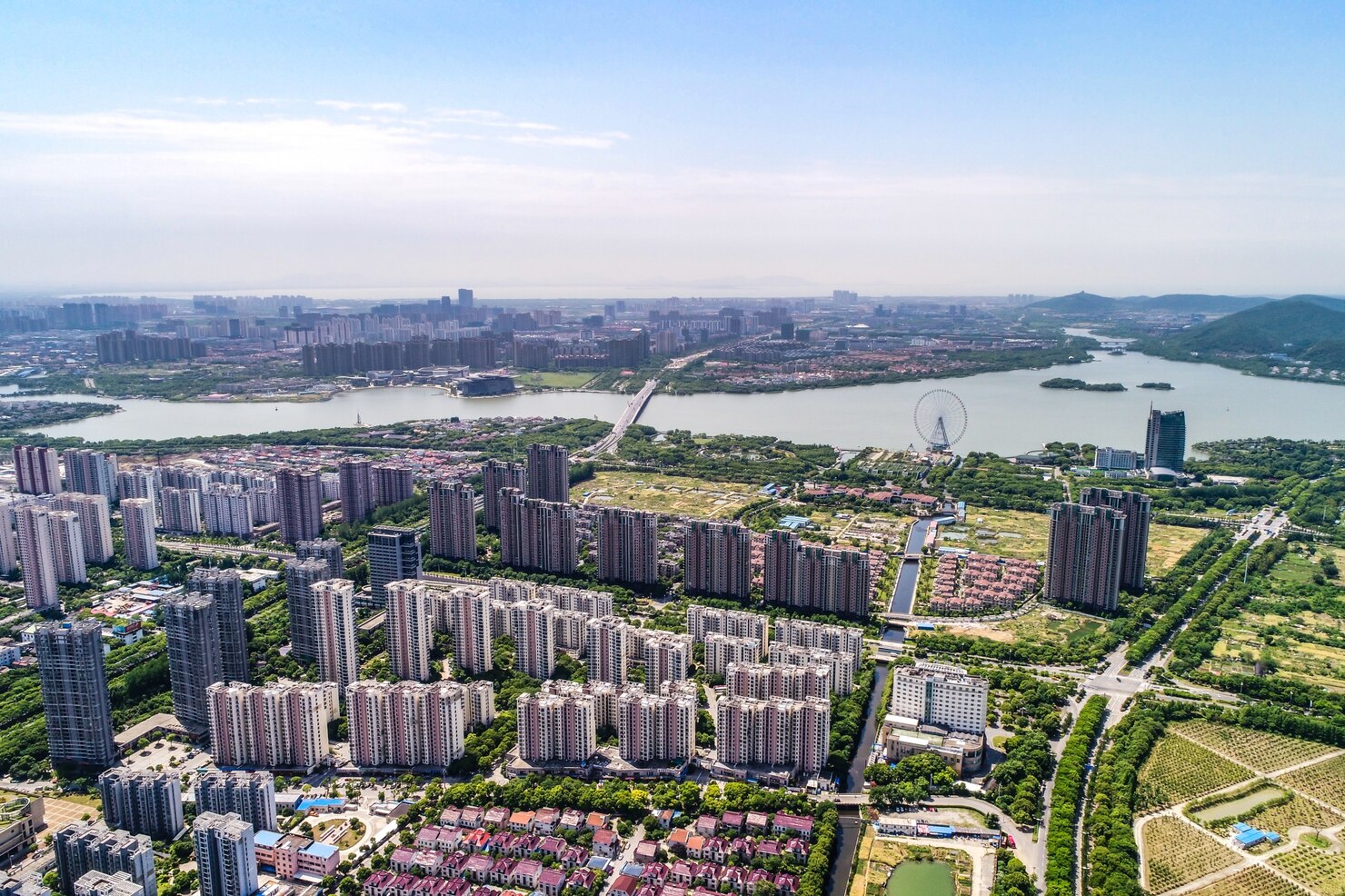


Social housing policy is one of the key initiatives of the Party and the Government of Vietnam, aiming to ensure social welfare and improve living conditions for vulnerable groups and low-income individuals in urban areas and industrial zones. With the goal of promoting access to housing for the people, the Government has issued Decree No. 261/2025/NĐ-CP (amending and supplementing Decree No. 100/2024/NĐ-CP), introducing several important updates regarding the conditions and procedures for purchasing social housing. This article provides an analysis of the most recent legal regulations, thereby offering the public and relevant stakeholders a comprehensive and accurate understanding of opportunities to access social housing under the current legal framework.
I. Eligible beneficiaries of social housing policies
According to Article 76 of the 2023 Housing Law, the following groups are entitled to social housing support:
- People with meritorious services to the revolution, and relatives of martyrs eligible for housing improvement assistance under the Ordinance on Incentives for People with Meritorious Services;
- Poor and near-poor households in rural areas, including regions frequently affected by natural disasters and climate change;
- Poor and near-poor households in urban areas;
- Low-income individuals living in urban areas;
- Workers and employees working at enterprises and cooperatives, both inside and outside industrial zones;
- Officers, professional soldiers, non-commissioned officers, police officers, public security workers, civil servants, defense officials, and individuals working in cryptographic organizations who are paid by the state budget;
- Public officials, civil servants, and employees as defined by law;
- Individuals who have returned official-duty housing (except those who had their housing reclaimed due to violations);
- Households or individuals whose land has been expropriated, whose homes must be dismantled or relocated, and who have not been compensated with land or housing;
- Students at universities, academies, colleges, vocational institutions, specialized schools, and public ethnic boarding schools;
- Enterprises, cooperatives, and cooperative unions operating in industrial parks.
II. Conditions for purchasing or leasing-purchasing social housing
To be eligible to purchase or lease-purchase social housing, the above beneficiaries must simultaneously meet two key conditions stipulated in Article 78 of the 2023 Housing Law: conditions related to housing and conditions related to income.
1. Housing conditions (As guided in Article 29 of Decree 100/2024/NĐ-CP)
This condition ensures that the policy targets individuals who do not own a home or live in inadequate housing conditions. Applicants must fall into one of the following categories:
- Do not own legal housing in the locality where the social housing project is located; or
- Own housing, but the average living area is less than 15 square meters per person.
2. Income conditions (As guided in Article 30 of Decree 100/2024/NĐ-CP)
One of the most notable changes introduced in Decree 261/2025/NĐ-CP (effective from October 10, 2025) is the adjustment of maximum monthly income thresholds for eligibility. This amendment aims to enhance access for low- and middle-income individuals, especially workers, public servants, and employees.
| Marital Status | Previous Regulation (Decree 100/2024/NĐ-CP) | New Regulation (Decree 261/2025/NĐ-CP) | Impact Assessment |
| Single (No children) | Max monthly income: 15 million VND | Max monthly income: 20 million VND | Continues to target low-income earners but reflects rising living costs. |
| Single (With minor children) | Not specifically regulated | Max monthly income: 30 million VND | A more human-centered policy, facilitating access for single parents. |
| Married couples | Combined max monthly income: 30 million VND | Combined max monthly income: 40 million VND | Expands access for low-to-middle income earners, addressing the “too rich for social housing, too poor for commercial housing” dilemma. |
Income conditions do not apply to all beneficiary groups, but mainly to low-income earners in urban areas, workers, and public sector employees. Income eligibility must be certified via salary or wage statements issued by the applicant’s employer (enterprise, unit, or agency).
This is a notable legal breakthrough reflecting a shift toward a more practical and inclusive approach. The previous income thresholds were considered too low, unintentionally excluding many low-to-middle income workers who could not afford commercial housing yet were ineligible for social housing. The new framework aligns better with real income levels and living costs, reaffirming a people-centered policy mindset.
III. Legal impact assessment
The upward adjustment of income thresholds—especially the inclusion of a separate category for single parents—demonstrates government responsiveness to evolving socio-economic realities. However, several challenges remain:
- Income verification continues to be difficult, especially for informal workers or those without labor contracts. Despite more flexible guidelines, there is still a lack of effective legal tools to assess these groups’ income levels.
- Implementation challenges persist. These include ensuring access to preferential credit, securing clean land for social housing projects, and simplifying investment procedures. Without consistent and effective execution, even well-designed policies may struggle to deliver the intended outcomes.
IV. Conclusion
The recent legal amendments relating to social housing—particularly under Decree 261/2025/NĐ-CP—have helped establish a more comprehensive and practical legal framework. These updates focus on expanding the beneficiary scope and loosening eligibility conditions, thereby improving housing access for low- and middle-income individuals, especially workers in industrial zones.
These developments are an important step toward achieving Vietnam’s national goal of building one million social housing units by 2030 and reaffirming social housing as a core pillar of the country’s social welfare policy.
Date Written: 20/10/2025
Disclaimers:
This article is for general information purposes only and is not intended to provide any legal advice for any particular case. The legal provisions referenced in the content are in effect at the time of publication but may have expired at the time you read the content. We therefore advise that you always consult a professional consultant before applying any content.
For issues related to the content or intellectual property rights of the article, please email cs@apolatlegal.vn.
Apolat Legal is a law firm in Vietnam with experience and capacity to provide consulting services related to Real Estate and contact our team of lawyers in Vietnam via email info@apolatlegal.com.